Kicking off with Burn Injury Litigation: Compensation for Electrical and Chemical Workplace Accidents, this opening paragraph is designed to captivate and engage the readers, providing a comprehensive overview of the topic.
The following paragraphs will delve into the different aspects of burn injury litigation in workplace accidents, shedding light on common causes, legal processes, and factors influencing compensation.
Overview of Burn Injury Litigation in Workplace Accidents
Workplace accidents involving electrical and chemical hazards can result in severe burn injuries, which can have long-lasting physical and emotional effects on the victims. It is crucial to understand the types of burn injuries that can occur, the common causes of these injuries, and the legal framework surrounding compensation for such workplace accidents.
Types of Burn Injuries in Electrical and Chemical Workplace Accidents
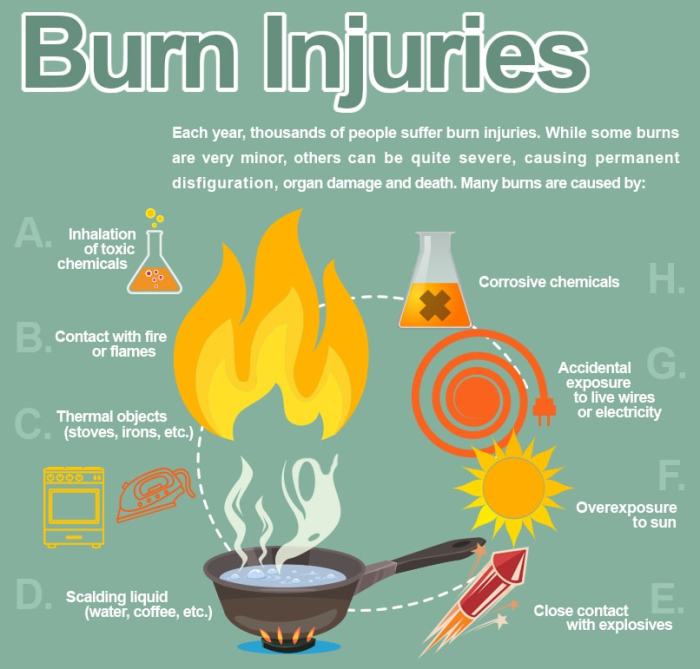
- Thermal Burns: Caused by direct contact with flames, hot surfaces, or steam.
- Electrical Burns: Resulting from contact with electrical currents.
- Chemical Burns: Caused by exposure to corrosive substances.
Common Causes of Burn Injuries in Workplace Accidents
- Failure to follow safety protocols and procedures.
- Defective equipment or machinery.
- Lack of proper training for handling hazardous materials.
Legal Framework for Compensation in Workplace Burn Injury Cases
Employers are required to provide a safe working environment and adhere to safety regulations to prevent workplace accidents. In cases where burn injuries occur due to negligence or violations of safety standards, the victims may be entitled to compensation for medical expenses, lost wages, pain and suffering, and other damages.
Legal actions can be pursued through workers' compensation claims or personal injury lawsuits to ensure that the victims receive the financial support they need to recover and move forward.
Factors Influencing Compensation in Burn Injury Litigation
When it comes to determining compensation in burn injury litigation cases, several factors play a crucial role in the final settlement amount. Understanding these factors is essential for both the victims and the legal professionals involved in the process.The severity of the burn injury is a primary factor that directly impacts the compensation amount awarded to the victim.
Burns are typically categorized into degrees based on their severity, ranging from first-degree burns (mild) to fourth-degree burns (severe). The more severe the burn, the higher the compensation amount is likely to be. Severe burns often result in long-term physical and emotional suffering, extensive medical treatment, and potential loss of income, all of which contribute to a higher compensation settlement.Negligence on the part of the responsible party is another critical factor in determining compensation for burn injuries.
If the burn injury occurred due to the negligence of an employer, manufacturer, or another party, the victim is entitled to receive higher compensation to cover not only the physical damages but also the pain and suffering caused by the negligence.
Proving negligence through evidence and expert testimony is essential in securing a fair compensation amount for the victim.Medical expenses and long-term care needs also significantly impact the compensation settlements in burn injury cases. Burn injuries often require extensive medical treatment, surgeries, and rehabilitation, which can result in exorbitant medical bills.
Additionally, severe burn victims may require long-term care, including physical therapy, counseling, and specialized medical equipment, all of which add to the overall cost of treatment. Compensation awarded in burn injury litigation takes into account these medical expenses to ensure that the victim receives adequate financial support to cover their current and future healthcare needs.
Legal Process Involved in Burn Injury Litigation
When it comes to burn injury litigation in the aftermath of electrical or chemical workplace accidents, there are specific steps that must be followed to file a lawsuit and seek compensation. Evidence collection and presentation play a crucial role in building a strong case, and expert witnesses are often called upon to provide specialized insight and testimony.
Steps in Filing a Burn Injury Lawsuit
- Consultation with an attorney specializing in burn injury cases to assess the situation and determine legal options.
- Filing a formal complaint with the appropriate court, outlining the details of the accident, injuries sustained, and the basis for the lawsuit.
- Discovery phase where both parties exchange information, including evidence, documents, and witness testimonies.
- Negotiation for a settlement or preparation for trial if a settlement cannot be reached.
- Trial proceedings where the case is presented before a judge or jury, and a decision on liability and compensation is made.
Collection and Presentation of Evidence
- Gathering medical records, accident reports, witness statements, and expert opinions to support the claim of negligence or liability.
- Presenting physical evidence such as photos of the accident scene, equipment involved, and the extent of the burn injuries.
- Utilizing expert testimony from medical professionals, engineers, or safety specialists to explain the cause of the accident and the impact of the injuries.
Role of Expert Witnesses
- Expert witnesses provide specialized knowledge and opinions based on their expertise in relevant fields such as medicine, engineering, or workplace safety.
- They help the court understand complex technical details, assess liability, and determine the extent of damages in burn injury cases.
- Their testimony can significantly influence the outcome of the case and strengthen the credibility of the plaintiff's claims.
Comparative Analysis of Compensation in Electrical vs. Chemical Accidents
When it comes to burn injuries in the workplace, the type of accident can greatly impact the compensation received by the victim. In this comparative analysis, we will delve into the differences in compensation trends, liability, and outcomes for electrical accidents versus chemical accidents.
Compensation Trends
- Electrical Accidents: In cases of burn injuries caused by electrical accidents, victims often receive higher compensation due to the severe nature of electrical burns. These burns can cause extensive tissue damage and long-term health complications, leading to larger settlements.
- Chemical Accidents: On the other hand, compensation for burn injuries from chemical accidents may vary depending on the specific chemicals involved, the extent of the burns, and the impact on the victim's life. Settlements in these cases can be influenced by factors such as negligence, safety protocols, and the employer's liability.
Liability Differences
- Electrical Accidents: Liability in electrical accidents often falls on the employer or the party responsible for maintaining a safe work environment. Since electrical hazards are well-known risks in certain industries, employers are expected to take necessary precautions to prevent such accidents.
- Chemical Accidents: Liability in chemical accidents can be more complex, as it may involve multiple parties such as the manufacturer of the chemicals, the employer, and even subcontractors. Determining liability in these cases requires a thorough investigation into safety protocols, training, and compliance with regulations.
Impact on Compensation Outcomes
- Electrical vs. Chemical Nature: The nature of the accident plays a significant role in determining compensation outcomes. Electrical burns are known to cause deep tissue damage and neurological issues, resulting in higher settlements. On the other hand, chemical burns can vary in severity depending on the type and concentration of the chemicals involved, affecting the compensation awarded to the victim.
Closing Notes

In conclusion, the discussion on Burn Injury Litigation: Compensation for Electrical and Chemical Workplace Accidents highlights the complexities of seeking compensation for burn injuries in the workplace. It is crucial to understand the legal framework, factors influencing compensation, and the comparative analysis of compensation trends in electrical vs.
chemical accidents.
Question & Answer Hub
What types of burn injuries can occur in electrical and chemical workplace accidents?
Common burn injuries include thermal burns, electrical burns, and chemical burns, depending on the nature of the accident.
How does the severity of the burn injury affect the compensation amount?
The severity of the burn injury often correlates with the compensation amount, with more severe injuries receiving higher compensation.
What are the steps involved in filing a burn injury lawsuit after an electrical or chemical workplace accident?
The steps typically include consulting with a lawyer, gathering evidence, filing the lawsuit, and going through the legal process.
Are there differences in liability for electrical and chemical burn injuries?
Liability can vary based on the circumstances of the accident and the parties involved, but both types of injuries may entitle the victim to compensation.