Kicking off with Tractor-Trailer Accident Law Firm: How to Fight Denied Insurance Claims, this opening paragraph is designed to captivate and engage the readers, providing an overview of the legal landscape surrounding tractor-trailer accidents and insurance claims.
Exploring the nuances of denied insurance claims in tractor-trailer accidents, this article delves into the reasons behind claim denials and offers valuable insights on navigating through the complexities of insurance procedures.
Understanding Tractor-Trailer Accident Law
Tractor-trailer accident law encompasses a set of regulations and legal principles that govern accidents involving large commercial trucks. Understanding these laws is crucial for both drivers and companies involved in such incidents. Here, we will delve into the key components of tractor-trailer accident law, the legal implications for drivers and companies, as well as the common challenges faced by individuals dealing with tractor-trailer accidents.
Key Components of Tractor-Trailer Accident Law
- Commercial Driver's License (CDL) Requirements: Drivers of tractor-trailers must possess a valid CDL to operate these vehicles legally.
- Hours of Service Regulations: There are strict rules governing the number of hours a driver can operate a tractor-trailer to prevent driver fatigue and reduce the risk of accidents.
- Vehicle Maintenance: Trucking companies are responsible for ensuring that their vehicles are properly maintained to prevent mechanical failures that could lead to accidents.
- Insurance Requirements: Companies must carry sufficient insurance coverage to compensate for damages in the event of an accident.
Legal Implications for Drivers and Companies
- Liability: Determining liability in tractor-trailer accidents can be complex, involving factors such as driver negligence, company responsibility, and third-party liability.
- Compensation: Injuries sustained in tractor-trailer accidents can result in significant medical expenses, lost wages, and other damages, leading to legal claims for compensation.
- Regulatory Compliance: Both drivers and companies must adhere to federal and state regulations governing the operation of commercial vehicles to avoid legal penalties.
Common Challenges Faced in Tractor-Trailer Accidents
- Proving Fault: Establishing fault in tractor-trailer accidents may require extensive investigation and evidence gathering to support legal claims.
- Insurance Disputes: Insurance companies may deny or undervalue claims, leading to disputes over compensation for damages incurred in accidents.
- Complex Legal Processes: The legal procedures involved in tractor-trailer accident cases can be intricate, requiring the expertise of experienced attorneys to navigate effectively.
Denied Insurance Claims in Tractor-Trailer Accidents
When involved in a tractor-trailer accident, having your insurance claim denied can add to the stress and financial burden. Understanding why insurance claims in these accidents get denied, the process of filing a claim, and tips to prevent denial can be crucial in navigating such situations.
Reasons for Denied Insurance Claims
- Failure to report the accident promptly to the insurance company.
- Discrepancies or inconsistencies in the information provided about the accident.
- Missing or incomplete documentation, such as police reports or medical records.
- Policy exclusions that may not cover specific aspects of the accident.
- Disputes over liability or negligence in the accident.
Process of Filing an Insurance Claim
- Notify your insurance company immediately after the accident.
- Gather all relevant information, including the other driver's details, witness statements, and photos of the accident scene.
- Submit the necessary documentation, such as the accident report and medical records, to support your claim.
- Cooperate with the insurance company's investigation and provide any additional information they request.
Tips to Avoid Denied Insurance Claims
- Be honest and accurate when providing information about the accident.
- Keep detailed records of all communication with the insurance company.
- Review your insurance policy to understand what is covered and any limitations.
- Consult with an attorney specializing in tractor-trailer accidents to ensure your rights are protected.
Legal Assistance from a Specialized Law Firm
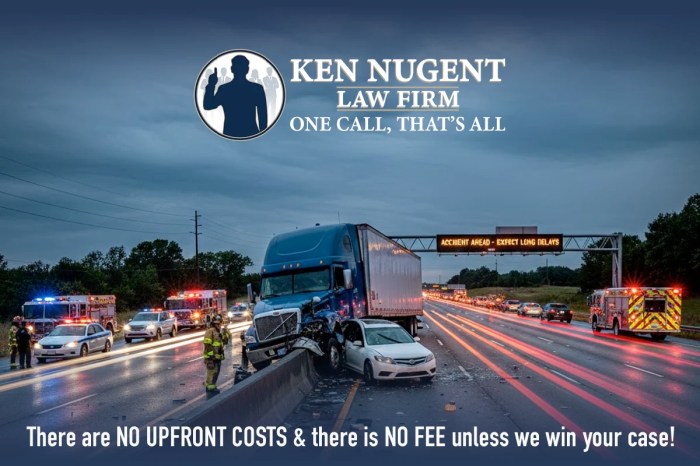
When dealing with tractor-trailer accidents and denied insurance claims, seeking legal help from a specialized law firm can make a significant difference in the outcome of your case.
Importance of Hiring a Specialized Law Firm
Specialized law firms have the experience and expertise in handling tractor-trailer accident cases, understanding the complexities involved, and advocating for your rights effectively.
Benefits of Hiring a Law Firm vs. Handling Claims Independently
1. Legal Knowledge:A tractor-trailer accident lawyer has a deep understanding of the laws and regulations governing such accidents, giving you an edge in negotiations.
2. Negotiation Skills:Lawyers are skilled negotiators who can fight for fair compensation on your behalf, maximizing your chances of a successful claim.
3. Resource Access:Law firms have access to resources like accident reconstruction experts and medical professionals, strengthening your case.
Role of a Tractor-Trailer Accident Lawyer in Navigating Denied Insurance Claims
When insurance claims are denied, a lawyer can:
- Review the denial reasons and identify any errors or discrepancies.
- Collect additional evidence to support your claim and challenge the denial.
- File an appeal or take legal action if necessary to secure the compensation you deserve.
Strategies to Fight Denied Insurance Claims
When faced with a denied insurance claim in a tractor-trailer accident, it can be overwhelming and frustrating. However, there are steps you can take to challenge the denial and increase your chances of a successful outcome. One of the most crucial aspects of fighting denied insurance claims is gathering evidence and documentation to support your case.
Importance of Evidence and Documentation
Gathering evidence such as police reports, witness statements, medical records, and photos from the accident scene is essential to prove the validity of your claim. Documentation of your injuries, medical treatment, and vehicle damage can strengthen your case and provide a solid foundation for challenging the denial.
- Ensure to obtain a copy of the police report and review it for accuracy.
- Collect contact information from witnesses who can corroborate your version of events.
- Maintain detailed records of your medical treatment, including diagnoses, prescriptions, and follow-up appointments.
- Document any missed workdays and lost wages as a result of the accident.
Having a comprehensive collection of evidence and documentation can significantly enhance your chances of overturning a denied insurance claim.
Epilogue
In conclusion, understanding the intricacies of tractor-trailer accident law and insurance claims denial is crucial in seeking the appropriate legal assistance and fighting for your rights. This discussion sheds light on the importance of being prepared and informed in the event of such unfortunate incidents.
Commonly Asked Questions
What are common reasons for insurance claims denial in tractor-trailer accidents?
Insurance claims in tractor-trailer accidents may get denied due to lack of evidence, policy exclusions, or disputes over liability. It is essential to gather all necessary documentation and information to strengthen your claim.
How can hiring a specialized law firm benefit me in handling denied insurance claims after a tractor-trailer accident?
A specialized law firm experienced in tractor-trailer accident cases can provide expert guidance, navigate legal complexities, and negotiate with insurance companies on your behalf, increasing the chances of a successful claim resolution.
What steps should I take if faced with a denied insurance claim in a tractor-trailer accident?
If your insurance claim is denied, you can appeal the decision, gather additional evidence, seek legal assistance, and explore alternative dispute resolution methods to fight for the compensation you deserve.
Why is gathering evidence and documentation crucial in supporting an insurance claim after a tractor-trailer accident?
Evidence and documentation serve as vital proof to substantiate your claim, establish liability, and demonstrate the extent of damages incurred in the accident, strengthening your position during the claims process.