
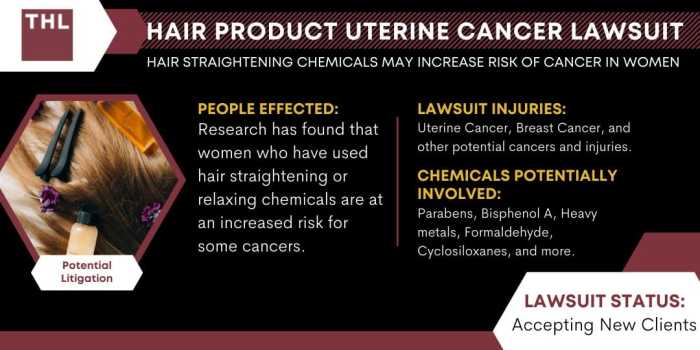
Delving into Hair Straightener Cancer Lawsuit: Suing for Uterine and Ovarian Cancer Risks, this introduction immerses readers in a unique and compelling narrative, with casual formal language style that is both engaging and thought-provoking from the very first sentence.
The discussion will shed light on the recent surge in lawsuits linking hair straighteners to uterine and ovarian cancer risks, exploring the legal aspects and health implications associated with these cases.
Overview of Hair Straightener Cancer Lawsuit
![[2023 Update] Hair Straighteners Uterine Cancer Lawsuit | TorHoerman Law](https://realestate.teknovidia.biz.id/wp-content/uploads/2026/05/Hair-Product-Uterine-Cancer-Lawsuit.jpg "[2023 Update] Hair Straighteners Uterine Cancer Lawsuit | TorHoerman Law")
In recent years, there has been a significant increase in lawsuits related to the use of hair straighteners and the potential risks of uterine and ovarian cancer. Many individuals who have used these products are now seeking legal action against manufacturers.
Research has shown a concerning connection between the chemicals present in hair straighteners and the increased risk of developing uterine and ovarian cancer. These chemicals, such as formaldehyde and other toxic substances, have been linked to adverse health effects, including cancer.
Key Allegations and Legal Basis
- Allegations in these lawsuits often revolve around the failure of manufacturers to adequately warn consumers about the potential health risks associated with their products.
- Plaintiffs argue that companies knew or should have known about the dangers of these chemicals and failed to provide sufficient warnings or instructions for safe use.
- The legal basis for suing manufacturers lies in product liability laws, where companies can be held accountable for producing and selling products that are unreasonably dangerous to consumers.
Understanding Uterine and Ovarian Cancer Risks
![Hair Straightener Endometrial Cancer Lawsuit | [2023 Update]](https://realestate.teknovidia.biz.id/wp-content/uploads/2026/05/Hair-Straightener-Endometrial-Cancer-Lawsuit.png "Hair Straightener Endometrial Cancer Lawsuit | [2023 Update]")
When it comes to the risks associated with using hair straighteners, there has been increasing concern about the potential link to uterine and ovarian cancer. Research has shown a correlation between the chemicals present in some hair straightening products and the development of these types of cancer.
Specific Risks Associated with Hair Straighteners
- Some hair straightening products contain formaldehyde, which is a known carcinogen and has been linked to an increased risk of uterine and ovarian cancer.
- Repeated exposure to these chemicals over time may contribute to the development of cancer in the reproductive organs.
Statistics and Studies
- A study published in the International Journal of Cancer found that women who used hair straighteners frequently were more likely to develop uterine and ovarian cancer compared to those who did not use these products.
- According to the American Cancer Society, there is ongoing research to further investigate the potential link between hair straighteners and cancer risk.
Symptoms and Early Signs
- Common symptoms of uterine cancer include abnormal vaginal bleeding, pelvic pain, and changes in urination.
- Early signs of ovarian cancer may include bloating, abdominal pain, and changes in bowel habits.
Products Implicated in Lawsuits
Several popular hair straightener brands have been mentioned in lawsuits related to uterine and ovarian cancer risks. Some of the products that have been under scrutiny include:
1. Brazilian Blowout
Brazilian Blowout, a popular salon treatment, has faced lawsuits and regulatory warnings due to high levels of formaldehyde, a known carcinogen, in their products. Despite these concerns, the brand continues to market its products as safe and effective for hair straightening.
2. Keratin Complex
Keratin Complex, another brand offering keratin-based hair straightening treatments, has also been implicated in cancer-related lawsuits. The products have been criticized for containing harmful chemicals that may pose health risks to consumers.
3. CHI Hair Straighteners
CHI Hair Straighteners, a well-known brand in the hair care industry, has faced allegations of potential health risks associated with their products. While no formal recalls have been issued, concerns have been raised regarding the safety of these hair straighteners.
Legal Implications and Compensation
When it comes to filing a lawsuit against manufacturers of hair straighteners for cancer risks, individuals must typically seek legal representation to navigate the complex process. This involves gathering evidence, such as medical records linking cancer diagnosis to product use, and filing a complaint in court.
Challenges in Seeking Compensation
Individuals face various challenges when seeking compensation for uterine and ovarian cancer related to hair straightener use. These challenges may include proving causation between the product and cancer diagnosis, dealing with the high burden of proof required in product liability cases, and facing the resources and legal teams of large corporations.
Examples of Successful Cases
- A woman in California received a substantial settlement after developing ovarian cancer linked to her long-term use of a popular hair straightening product. The manufacturer settled out of court to avoid a lengthy and costly trial.
- In another case, a class-action lawsuit against a hair straightener company resulted in a significant payout to affected individuals who developed uterine cancer after using the product. The lawsuit highlighted the importance of holding manufacturers accountable for potential health risks associated with their products.
Final Thoughts
In conclusion, the complexities surrounding the Hair Straightener Cancer Lawsuit: Suing for Uterine and Ovarian Cancer Risks underscore the importance of understanding product liability and health risks. This overview serves as a valuable insight into the legal landscape and health concerns intertwined in these lawsuits.
Question & Answer Hub
What are the specific risks associated with using hair straighteners and the development of uterine and ovarian cancer?
The high heat from straighteners can potentially damage DNA in cells, increasing the risk of mutations that may lead to cancer.
Are there any recalls or warnings issued by regulatory bodies regarding hair straightener products?
Some regulatory bodies have issued warnings about certain hair straighteners containing harmful chemicals linked to cancer risks.
How can individuals seek compensation for uterine and ovarian cancer related to hair straightener use?
Individuals can file lawsuits against manufacturers, citing product liability and seeking compensation for damages caused by cancer risks associated with the products.