
Beginning with Defective Medical Device Attorney: Suing for Faulty Hip or Knee Replacements, the discussion delves into the complexities of pursuing legal action against manufacturers of defective medical devices, specifically focusing on hip or knee replacements. This article aims to provide a comprehensive overview of the legal aspects, considerations, and steps involved in such cases.
Understanding Defective Medical Devices
Defective medical devices refer to products that have flaws or issues that can cause harm or injury to patients. In the case of hip or knee replacements, defects can lead to complications and serious health risks.
Common Defects in Hip or Knee Replacements
- Loosening of the implant: This occurs when the artificial joint becomes detached from the bone, causing pain and instability.
- Fracture of the implant: The components of the hip or knee replacement can break or crack under stress, leading to severe discomfort and the need for revision surgery.
- Infection: Improper sterilization during the manufacturing process or surgical procedure can result in infections that may require additional treatment or replacement of the device.
Potential Risks and Consequences
- Chronic pain: Defective hip or knee replacements can result in ongoing pain and discomfort, limiting mobility and quality of life.
- Revision surgery: In cases of device failure, patients may need to undergo revision surgery to replace or repair the faulty implant, which can be costly and risky.
- Long-term complications: Faulty medical devices can lead to long-term complications such as metal toxicity, tissue damage, and reduced functionality of the joint.
Legal Aspects of Defective Medical Devices
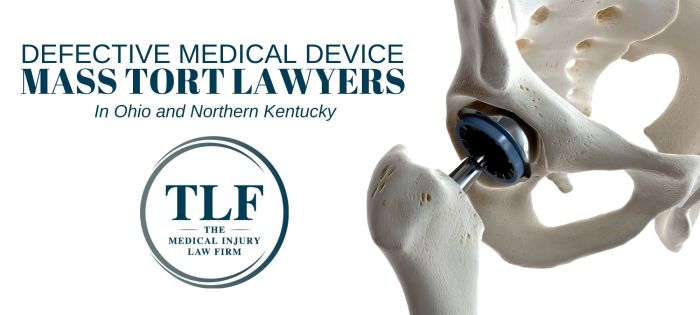
When it comes to suing manufacturers of faulty hip or knee replacements, the legal basis typically revolves around product liability laws. Manufacturers are held responsible for ensuring that their products are safe for consumer use, including medical devices like hip and knee replacements.
If a device is found to be defective and causes harm to a patient, the manufacturer can be held liable for damages.
Responsibilities of Manufacturers, Doctors, and Patients
In cases involving defective medical devices, manufacturers are responsible for designing, manufacturing, and testing their products to ensure they meet safety standards. Doctors are expected to properly implant the devices and inform patients of any potential risks or complications. Patients, on the other hand, are responsible for following post-operative care instructions and reporting any issues or adverse effects to their healthcare providers.
Statute of Limitations and Legal Considerations
- The statute of limitations refers to the timeframe within which a lawsuit must be filed after the discovery of the defect or injury caused by a defective medical device. It is crucial to adhere to these time limits to ensure the validity of a claim.
- Other legal considerations for pursuing a lawsuit include gathering evidence of the defect, documenting medical expenses and damages, and consulting with a qualified attorney who specializes in medical device litigation.
- It is important to note that each state has its own laws governing product liability and medical malpractice, so it is essential to seek legal advice specific to the jurisdiction where the case will be filed.
Finding a Defective Medical Device Attorney
When it comes to pursuing a case involving a faulty hip or knee replacement, finding the right attorney is crucial. Here are some key criteria to consider when selecting an attorney to handle a defective medical device case:
Importance of Experience and Expertise
It is essential to look for an attorney with experience and expertise specifically in handling medical device injury cases. These types of cases can be complex and require a deep understanding of the medical and legal aspects involved. An attorney with a proven track record in this area will be better equipped to navigate the intricacies of your case and maximize your chances of a successful outcome.
Tips for Finding a Reputable Attorney
- Research: Take the time to research attorneys who specialize in defective medical device cases. Look for reviews, testimonials, and case results to gauge their reputation and success rate.
- Consultations: Schedule consultations with potential attorneys to discuss your case. Use this opportunity to assess their knowledge, communication style, and overall fit for your needs.
- Resources: Consider the resources and support staff available to the attorney. A well-equipped team can enhance the effectiveness and efficiency of handling your case.
- Success Record: Inquire about the attorney's past success record with similar cases. A strong track record of securing favorable outcomes for clients is a positive indicator of their capabilities.
- Communication: Clear and open communication is key in any legal case. Ensure that the attorney is responsive and transparent in keeping you informed about the progress of your case.
Steps in a Defective Medical Device Lawsuit
When pursuing a lawsuit against a manufacturer of defective hip or knee replacements, there are several key steps that need to be followed to build a strong case and seek justice for the harm caused.
Gathering Evidence to Support a Case
- Medical Records: Obtaining all relevant medical records that document the implantation of the device, subsequent issues, and any corrective actions taken.
- Expert Opinions: Consulting with medical experts who can provide insights into the device's failure and its impact on the patient's health.
- Product Testing: Conducting tests on the defective device to demonstrate its flaws and how it deviates from safety standards.
Negotiations, Settlements, and Trial Proceedings
- Negotiations: Engaging in discussions with the manufacturer or their legal representatives to reach a settlement outside of court.
- Settlements: If an agreement is reached, the terms of the settlement will be Artikeld, including compensation for damages and any other relevant conditions.
- Trial Proceedings: If a settlement cannot be reached, the case may proceed to trial where evidence will be presented, witnesses will testify, and a judge or jury will reach a verdict.
Summary
In conclusion, navigating the realm of defective medical devices and seeking justice for faulty hip or knee replacements requires careful attention to legal details, expert guidance, and a thorough understanding of the processes involved. By choosing the right attorney and being informed about your rights, you can take steps towards holding responsible parties accountable for any harm caused by defective medical devices.
FAQ Compilation
What defines a defective medical device?
A defective medical device is one that does not perform as intended or poses risks to patients due to design flaws, manufacturing errors, or inadequate warnings.
What are common defects found in hip or knee replacements?
Common defects include loosening of the implant, metal toxicity, fracture, dislocation, and implant failure.
What is the statute of limitations for suing manufacturers of faulty medical devices?
The statute of limitations varies by state but generally ranges from 1 to 6 years from the date of injury or discovery of the defect.
How can I find a reputable attorney specializing in defective medical device lawsuits?
You can start by looking for attorneys with experience in product liability cases, specifically involving medical devices. It's important to choose someone with a track record of success in similar cases.